The promise is appealing: fewer ingrown hairs, smoother skin, less time with a razor in the shower. Laser hair removal has become a mainstream beauty treatment, and the choice now splits two ways. You can book a professional laser hair removal service at a laser hair removal clinic, or you can buy a laser hair removal device and treat yourself at home. I have advised clients who wanted full body laser hair removal before a holiday, teenagers hoping to calm down inflamed ingrowns on the bikini line, and men who wanted chest laser hair removal for summer sports. I have also seen people buy a device on sale, then message three months later asking why their hair looks the same. Both routes can work. The right choice depends on your skin and hair type, budget, schedule, and expectations.
This guide explains how laser hair removal works, what changes between a clinic setting and a living room, real costs, session counts, pain levels, and the nuances that rarely make it into glossy ads. You will find plenty of practical detail here: what to ask in a laser hair removal consultation, what to do if you have dark skin or fine hair, and how to avoid the most common mistakes that lead to disappointing laser hair removal results.
How laser hair removal actually works
No matter where you do it, the laser hair removal procedure targets pigment in the hair shaft to deliver heat down to the follicle. That heat injures the follicle enough to slow or stop future growth. Hair grows in cycles, with only a portion in the active anagen phase at a time. Lasers or intense pulsed light (IPL) only affect hairs in that active phase. That is why you need multiple laser hair removal sessions. Spacing matters as much as total count: face areas often every 4 weeks, body areas every 6 to 8 weeks, sometimes longer for legs and back.
Results are framed as reduction, not magic erasure. Clinic literature often states 70 to 90 percent long term laser hair reduction after a full series with maintenance. The effectiveness range reflects variables you cannot see in a mirror: hair diameter, depth of the bulb, blood supply to the follicle, hormones, and skin tone. Coarse dark hair on light skin responds fastest because the contrast helps the laser find its target. Fine hair, gray, red, and very light blonde hair respond less reliably due to less melanin. That is true for both an advanced clinic laser hair removal machine and a home device.
Devices, technologies, and what the jargon means
In clinics you will see diode lasers, Alexandrite lasers, Nd:YAG lasers, or a combination platform. A diode at 810 nm is a workhorse for legs and underarms. Alexandrite at 755 nm is efficient on light to medium skin with dark hair. Nd:YAG at 1064 nm penetrates deeper and bypasses more epidermal pigment, making it safer for dark skin and tanned skin. Professional laser hair removal machines also include strong cooling technology, contact chill tips, cryogen sprays, or forced cold air that make higher fluence tolerable and reduce the risk of burns.
Most at-home tools are IPL devices, not true lasers. IPL emits a broad band of light that is filtered to target melanin. It can work, but it is generally less selective and less powerful. A few consumer devices advertise diode lasers at lower outputs. Regulatory bodies limit the energy of at-home laser hair removal devices for safety, which is reasonable for non-professionals. The trade-off is pace: more total sessions, more time, and more diligence to achieve a similar laser hair removal effectiveness rate compared to a clinic.
Safety, skin types, and who should not use laser
Safe laser hair removal starts with matching wavelength and parameters to your skin type and hair color. Practitioners use the Fitzpatrick scale from I to VI. For skin types IV to VI, professional Nd:YAG lasers are often preferred. Modern diodes with proper settings can also be safe. For at-home devices, many manufacturers warn against use on darker skin to avoid burns or hyperpigmentation. Some include skin tone sensors that block a flash if they detect high melanin, but do not rely solely on that. If you have melasma, vitiligo, active eczema, psoriasis in the treatment area, keloid history, or are taking photosensitizing medications like isotretinoin or certain antibiotics, get personalized clearance. Pregnant users are typically advised to postpone both clinic and home treatments, not because of proven harm, but due to a cautious risk posture.
I have seen the full range of laser hair removal side effects: transient redness, perifollicular edema like small goosebumps, and mild sunburn sensation are normal for a day or two. Less commonly, burns, blistering, hyperpigmentation, or hypopigmentation can happen, usually when settings were wrong for the skin type, the skin was recently tanned, or aftercare was ignored. A laser hair removal center has protocols and trained staff to adjust quickly. At home, users sometimes push through uncomfortable heat instead of stopping. That is how small mistakes become larger problems.
The clinic experience: what it does well
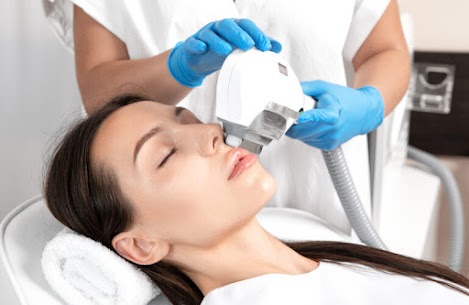
A laser hair removal clinic supplies more than a machine. You get an initial laser hair removal consultation where a technician or nurse assesses your candidacy, checks for contraindications, and does a test spot. They plan your laser hair removal schedule around your hair growth cycles. Professional laser hair removal units deliver higher fluence with consistent pulse profiles, and the operator can change parameters in real time based on your feedback and skin response. Cooling systems matter here. Good cooling makes painless laser hair removal an overstatement, but comfort improves dramatically, especially for bikini laser hair removal and underarm laser hair removal.

Technique makes a difference in coverage and safety. A trained provider overlaps passes correctly, protects tattoos and moles, and navigates tricky contours for facial laser hair removal or around the ankle where skin is thin. For sensitive zones like the face and bikini line, speed and steadiness matter. The result is fewer missed patches, fewer stripes, and a higher effectiveness rate per session.
Clinics also handle edge cases. For laser hair removal for dark skin, an Nd:YAG at conservative starting fluences can ramp safely. For light skin with dense coarse hair, an Alexandrite can treat quickly and efficiently. For a trans client on hormones or a woman with PCOS, a medical laser hair removal plan may include more sessions, targeted touch-ups, and hormone-aware maintenance that fits reality, not a marketing promise.
The at-home experience: what it does well
At-home devices win on access, privacy, and momentum. If you are diligent and your hair is a good match, you can see laser hair removal results. I have seen people reduce leg hair density by half over three months with a midrange IPL when they followed the device schedule exactly and shaved the right way before each session. For smaller areas like upper lip or underarms, dedicated users often maintain better consistency than they would with clinic appointments.
Affordability is the other appeal. A device can be an affordable laser hair removal option if the alternative is delaying clinic care for a year. For someone whose priority is underarm laser hair removal only, the value of a device rises. For a couple sharing the device for arm laser hair removal and bikini touch-ups, the math can work out well.
Cost comparison and realistic math
Laser hair removal cost depends on area size, market, and the type of provider. In most cities, a single session ranges from roughly 50 to 150 dollars for a small area, 150 to 400 for a medium area, and 300 to 800 or more for large areas like legs or back. Full body laser hair removal packages are common and often priced between 1,500 and 3,500 dollars for a set of 6 to 8 sessions, with periodic deals. A medical spa may bundle laser hair removal packages and maintenance touch-ups. Ask about laser hair removal specials and whether they include lifetime discounts for touch-ups after the initial series. A good clinic is transparent on laser hair removal price per area and how many laser hair removal sessions are expected for your hair.

At-home devices range widely. IPL devices cost about 150 to 600 dollars. Consumer diode units cost more. Remember consumables, though many devices are lamp-free now. If you are treating multiple body areas, you will spend time, not extra per-session dollars. If you are inconsistent, the device gathers dust and the effective price per result skyrockets.
Here is how I advise people to think about laser hair removal deals. If you want a single small area like the upper lip, a device may be the most affordable path, assuming your hair is dark. If you want full legs plus bikini and underarms, a clinic or laser hair removal center can be more cost effective because the time to perform large areas is lower with powerful machines, and the per-session efficiency means fewer months spent in treatment.
Pain, comfort, and what your skin feels like
Pain varies. Underarms and bikini are usually more sensitive than calves or forearms. In-clinic systems have contact cooling and chilled air. With proper settings, clients describe it as a quick snap or a rubber band pop with a cooling gust. IPL devices often feel like hot snaps with a brief warmth that lingers. Some people ice the area at home between passes. Conductive gel helps glide and cooling, but it can make a mess and dull precision if you do not wipe and check overlap lines.
Painless laser hair removal is not a realistic claim across all areas and skin types. But there is a difference between brief, tolerable stings and teeth-clenching heat. If you experience darkening or a burning sensation that persists, stop and reassess. In clinics, that is the moment the operator reduces fluence, lengthens pulse width, or switches wavelength. At home, you dial down power or increase the interval between pulses. Comfort correlates with safety. Treat only shaved skin, never waxed or tweezed within the prior weeks, because the follicle must be present to absorb light.
Session counts, schedules, and maintenance
People want a number. For most body areas in a clinic, expect 6 to 8 sessions followed by 1 to 3 maintenance sessions over the next year. For the face, where hair cycles are faster and sometimes hormonally driven, it can be 8 to 12 sessions with periodic touch-ups. Men’s backs and chests often demand 8 to 12 sessions due to dense follicles and hormonal background. Laser hair removal for men frequently needs more maintenance than laser hair removal for women. For at-home IPL, double those ranges is not unusual, and sessions start weekly or every two weeks, then stretch out as hair growth slows. If a device claims permanent hair removal after three weeks, set expectations lower. You may see notable laser hair reduction quickly, but lasting results come from persistence.
Maintenance is not failure. Hair can return thinner and lighter after a successful series due to residual vellus hair or new follicles activated over time. Plan for a short maintenance session every 6 to 12 months for problem areas. That is particularly true after pregnancy, changes in birth control, or with conditions like PCOS.
Skin tones, hair types, and reality checks
Laser hair removal for dark skin works, but it requires the right technology and operator caution. Look for a clinic that routinely treats skin types IV to VI and can show laser hair removal reviews and before and after photos for your skin tone. Ask specifically about Nd:YAG capability and test spots. For laser hair removal for light skin with very fine hair, results can be mixed. Lasers target pigment; if the hair is downy, there is less target. I have seen fair clients get excellent results on underarms but minimal change on forearms. Laser hair removal for thick hair tends to perform best, especially on legs and back.
For sensitive skin, patch test. Whether at home or at a clinic, treat a small, inconspicuous area and wait 48 to 72 hours. People prone to post-inflammatory hyperpigmentation need a slower ramp. Pre-treating with a gentle brightening routine containing azelaic acid or niacinamide can help even out tone after healing, but do not apply actives within 24 to 48 hours of treatment unless advised by your provider.
What happens before, during, and after a session
Preparation shapes your outcome. Shave 12 to 24 hours before a session so there is minimal stubble above the surface but a full follicle below. Skip tanning for two to four weeks, depending on your skin type. Avoid self-tanners on treatment areas. Put away retinoids and strong exfoliants on the area for a few days prior. Arrive or start with clean, dry skin. For facial laser hair removal, remove makeup thoroughly.
During the session in a clinic, expect protective eyewear, cold air or cryogen bursts, a series of passes with small overlaps, and operator notes on fluence, pulse width, and response. At home, create a grid in your head, overlap slightly to prevent zebra striping, and wipe off gel if your device uses it to see the skin clearly. If a pass feels abnormally hot compared to others, stop and check your settings or your skin color changes. Tanned skin changes the equation.
Aftercare is simple but often ignored. Redness and small per-follicle bumps are normal for a day. Cool compresses help. Moisturize with a bland, fragrance-free lotion. Skip hot showers and workouts for the rest of the day to avoid friction and heat buildup. Sun protection is non-negotiable. This is where many laser hair removal risks escalate into pigmentation problems. If you develop crusting or blisters, call your clinic rather than guessing. At home, pause treatments until healed and consider consulting a professional before resuming.
Comparative strengths and weaknesses at a glance
- Clinics: faster hair reduction per session, safer for dark skin with proper lasers, strong cooling, professional oversight, better for large areas, tailored parameters. Home devices: lower upfront cost for small areas, flexible schedule, privacy, good for maintenance and touch-ups, effective for the right hair and skin contrast.
That list simplifies a lot of nuance, but it captures the gist. For someone wanting back laser hair removal with dense, coarse hair, a clinic wins on speed and effectiveness. For someone treating a small area like underarms who Amenity Esthetics & Day Spa Ashburn VA laser hair removal values privacy and steady routine, a home device can deliver affordable results with patience.
How to choose a clinic worth your time
When you search laser hair removal near me, you will see a spread of med spas and dermatology offices. Focus on three things. First, technology. Do they have multiple wavelengths and real cooling? Ask which laser they plan to use on your skin type. Second, training. Who performs the laser hair removal therapy? In many regions, licensed nurses or experienced technicians operate under medical direction. Ask about complication rates and how they handle adverse reactions. Third, transparency. You want a clear laser hair removal treatment plan, expected number of sessions, and a straightforward laser hair removal price structure without pressure tactics. Reputable clinics do not promise permanent results in a fixed count; they discuss ranges and maintenance. Look at laser hair removal ratings, but read the reviews for details on safety and consistency, not just low price.
How to get results with a home device
Discipline replaces professional oversight. Map your schedule in advance. Most devices start weekly or biweekly for four to eight weeks, then move to maintenance. Shave closely each time, never wax between sessions. Treat on clean, dry skin. Start with a conservative setting and build up only if your skin tolerates it. Keep a log: area, setting, date, any reaction. The log saves you from guessing which setting caused irritation. Avoid stacking multiple beauty treatments on the same area. If you just did a strong chemical exfoliation on your legs, do not laser the same day.
One more reality check: hair color matters. For gray, red, or very light blonde hair, results are inconsistent. Electrolysis remains the gold standard for true permanent hair removal in those cases, though it is slower, more session-intensive, and operator-dependent. Laser hair removal vs electrolysis is not an either-or for everyone. Some clients use laser hair reduction to debulk dense areas, then finish with electrolysis for the stubborn few.
Special scenarios worth planning for
Athletes often want friction-prone areas like inner thighs or underarms treated before a race season. Plan laser hair removal sessions to miss peak sun months if possible, or commit to strict sun protection. For facial laser hair removal on women with hormonal acne, coordinate with your dermatologist so your retinoid and antibiotic routines do not clash with treatment windows. For bikini laser hair removal ahead of a beach trip, do not start the series the month before departure. You will face sun exposure during healing and partial clearing that leaves patchy growth. Start three to four months early to get multiple sessions in and allow for laser hair removal healing between them.
Men treating beards for ingrowns need a cautious approach. Beard hair is coarse and dense. Start with lower fluences and more conservative pulse widths on the face, where follicles sit close to important structures and the skin is highly visible. Expect some shedding and then a pattern change rather than bare skin. Plan around meetings if you flush easily.
What a realistic before and after looks like
Clients often bring laser hair removal before and after photos pulled from social media. Keep expectations grounded. After two to three clinic sessions on underarms, many people see slower regrowth and bald patches mixed with active follicles. After four to six sessions, density often drops by half or more, and stubble feels finer. On legs, the difference can be dramatic at the six-session mark with the right device and settings. At home, the timeline stretches. After eight to ten sessions, you should see slower regrowth and fewer ingrowns if your hair is a good match. If you see no change after eight diligent at-home sessions, reassess: hair color, device strength, and technique might be working against you.
My judgment after years with both routes
- If you want the best laser hair removal outcome on large areas, choose a clinic with modern technology and experienced staff. The up-front laser hair removal cost is higher, but the time to result is shorter and the safety net is stronger. If your budget is tight and your target is a small, high-contrast area, a reputable at-home laser hair removal device can give you meaningful laser hair reduction with patient, consistent use. If you have dark skin, seek a clinic with Nd:YAG and a track record of safe laser hair removal for your tone. At-home devices are improving, but many still exclude deep skin tones in their safety guidance. If your hair is very fine or light, temper expectations. Consider a clinic consult to evaluate candidacy, and keep electrolysis in your back pocket for definitive follicles that lasers cannot touch. If you value convenience above all, weigh maintenance. Even the best course needs touch-ups. A device at home becomes useful later, even after a clinic series, to tidy the few hairs that return.
Laser hair removal is not a one-size service. It is a process with variables that change across body zones, seasons, and hormones. Whether you book a laser hair removal appointment or set a reminder on your phone for your next at-home pass, the fundamentals stay steady. Treat on shaved, untanned skin. Space your sessions to match hair cycles. Protect the area from sun. Use good judgment when something feels off. With those habits, you give both professional and at-home routes the chance to deliver what you came for: smoother skin, fewer ingrowns, and more time back from the daily shave.